
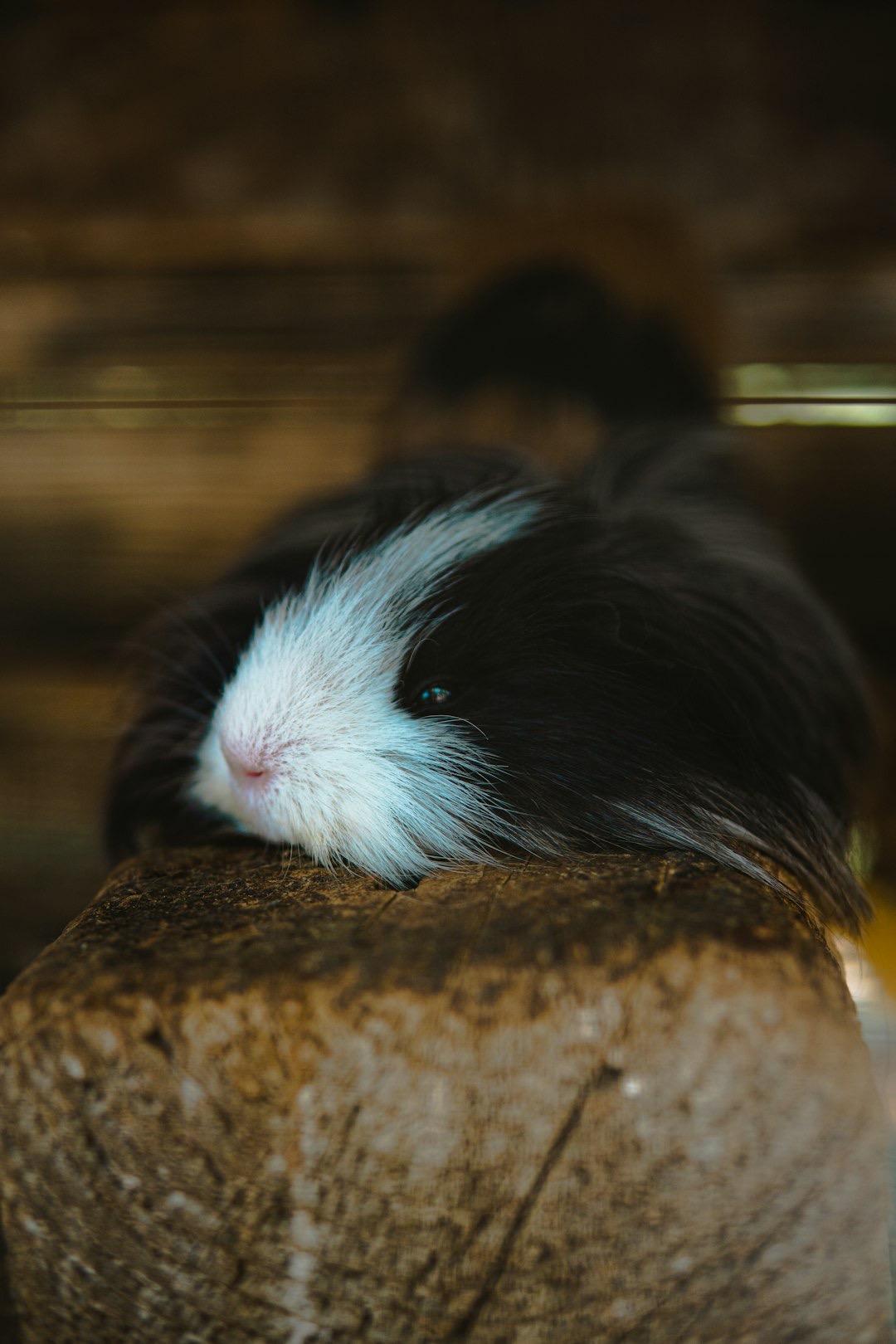
Guinea pigs are masters of mystery — especially when it comes to sleep. They snooze with their eyes open, nap in tiny bursts, and communicate through surprisingly adorable nighttime noises. Because winter is approaching, understanding your guinea pig’s sleep habits can help you create a warm, safe, and cozy environment that supports both comfort and health.
This guide breaks down everything you’ve ever wondered about guinea pig sleep — along with cozy bed recommendations, must-know safety tips, and real behaviors you can look for at home.
📘 Related Reading: If you’re introducing a new guinea pig to your family, the bedtime bonding in Blueberry Meets Ginger is the perfect companion story.
👉 Get the book here
Do Guinea Pigs Actually Sleep?
Yes — but not like humans. Guinea pigs are polyphasic sleepers, which means they take many short naps throughout the day and night rather than one long sleep. A typical pig may sleep a total of 4–6 hours in micro-naps lasting seconds to minutes.
They often keep their eyes open while resting. This doesn’t mean they’re wide awake; it’s a natural instinct for prey animals to stay aware of their surroundings.
For more behavior insights, check out:
What Your Guinea Pig’s Behavior Is Trying to Tell You
Common Guinea Pig Sleeping Positions
1. The Loaf
Your piggy tucks all four feet underneath their body and looks like a warm, furry bread loaf. This position signals:
- Comfort
- Safety
- Mild rest or light sleep
2. The Stretch
When your guinea pig lies on its side or fully stretches out, this means maximum trust. They only sleep like this when they feel completely safe.
3. The Hidey Nap
Most naps happen inside hideouts — especially during cold months. If they vanish into their hut, they’re likely taking a warm little snooze.
Need a winter-friendly hideout? Try these (affiliate links):
Nighttime Sounds: What Do They Mean?
Guinea pigs make plenty of sounds while snoozing, especially during winter when they burrow deep into warm bedding. Here’s what to listen for:
- Soft chutting: Happy dreaming or mild contentment
- Tiny squeaks: Settling into place or adjusting comfort
- Purring: Relaxation (lower-pitched) or mild annoyance if something startled them (higher-pitched)
- Light teeth chatter: They sensed movement and want reassurance
Want to compare sounds? Follow our video clips:
TikTok: @tiny.zoomies
YouTube Shorts: @tiny.zoomies
How Temperature Affects Sleep (Important for Winter!)
Guinea pigs sleep best between 65–75°F. During winter, drafts or cold rooms can disrupt sleep or cause stress.
Winter Sleep Safety Checklist
- Keep cages away from windows and door drafts
- Add fleece tunnels, beds, and padded hideouts
- Use extra layers of absorbent bedding
- Ensure nighttime veggies aren’t cold from the fridge
For seasonal adjustments, visit:
Seasonal Care: Summer vs. Winter Adjustments
Best Products to Improve Your Guinea Pig’s Sleep
These piggy-approved items support comfort, warmth, and safety:
Want more cozy ideas? Explore:
Guinea Pig Enrichment: Play & Activity Tips
What Sleep Can Tell You About Their Health
Changes in sleep patterns may signal:
- Lack of comfort or safety
- Respiratory issues (if breathing sounds loud)
- Vitamin C deficiency (lethargy)
- Stress from cold or drafts
If your pig suddenly sleeps much more, hides excessively, or seems weak, a vet visit is recommended.
Final Thoughts
Guinea pig sleep is subtle, adorable, and deeply connected to their environment. As winter approaches, creating a warm and comforting space helps your piggies feel secure — and lets you enjoy their cutest, sleepiest moments.
For a heartwarming look at guinea pig bonding (including cozy nighttime moments), check out:
💙 Blueberry Meets Ginger
SEO Tags
guinea pig sleep, guinea pig sleeping positions, guinea pig nap habits, winter guinea pig care, guinea pig fleece beds, guinea pig noises at night, guinea pig sleep safety

Leave a Reply